




by Elyse Myrans
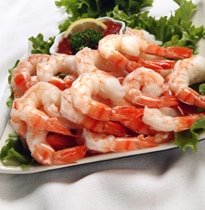
Pad Thai, Shrimp Rings and Shrimp Scampi, oh my! In the last decade shrimp consumption has nearly doubled, making it the most widely consumed seafood in North America. This dramatic increase in consumption is a direct result of modern technology, which has increased the volume of wild shrimp caught in the ocean, and also intensified shrimp aquaculture practices (a.k.a shrimp farming). Great, right? Now there’s more shrimp available, which means you can eat it more often and pay less for it. Choosing the butterfly shrimp pasta over the chicken alfredo won’t break the bank. It’s quite fabulous really, except that most shrimp harvesting practices degrade and destroying both marine and land environments.
I’m sorry to be the one to tell you this, but I can almost guarantee that the shrimp you are consuming weren’t caught sustainably. In fact, most shrimp is harvested in one of two different, environmentally destructive ways. The first and most popular method is called shrimp trawling. This lovely practice involves a boat dragging a trawl along the ocean floor, scooping everything in its path into a conical net. Just imagine a giant rake scraping the ocean floor and collecting EVERYTHING. Typically, when the nets are pulled up onto the boat, only 10-20% of what is in them is actually shrimp. The other 80-90% is called bycatch, and is usually a mix of fish, sea turtles, dolphins, and crustaceans that were living on the ocean floor. Once all the shrimp has been collected from the nets, the dead bycatch is tossed over the side of the boat, adding to the 7 million tones of bycatch killed by all fisheries (shrimp trawling accounts for roughly 35% of this 7 million tones).
The other method of shrimp harvesting is by way of shrimp aquaculture, which is essentially shrimp farming. Most shrimp farming takes place in tropical and sub-tropical regions like South East Asia, Central America, and South America, and usually involves anti-biotics, chemicals and fertilizers being pumped into the farms and then out into water sources and environments. These are water sources that local communities rely on. Threatened mangrove habitats are usually chosen as sites for shrimp aquacultures, and are ultimately stripped of their resources and then deserted by shrimp farms, often forcing entire communities to relocate. In the mean time, local resources and food sources are destroyed by habitat conversion, disease, and pollution. Altogether, it’s not a pretty picture.
So now you want to know if you can ever eat shrimp again without visions of dead sea turtles and devastated communities clouding your mind? Of course you can! In fact you have a few options. Your first is to cut down on meals that include shrimp- maybe opt for the california roll instead of the shrimp tempura roll tomorrow at lunch. By just saving shrimp for special occasions, you can make a statement, and a difference. Or, you can be an even more dedicated global citizen by opting for trap-caught shrimp instead. Eating shrimp caught in small traps means that other marine species aren’t killed as a result, and that the local environment isn’t devastated in the process. The only downside to trap-caught is that it is a more labour intensive process, meaning that these shrimp are a bit more expensive than the earth destroying, sea turtle killing, environment degrading variety-a few extra dollars hardly seems like a sacrifice in the big picture. Check the packaging labels, ask the seafood guy behind the counter at your grocery store, or get your waitress to find out where the shrimp on the menu came from. If the shrimp is trap-caught then the packaging will tell you so, the guy behind the counter will know, and the waitress will probably already be informed that she is working at an ocean-friendly restaurant.
The moral of the story is this: by cutting down on your shrimp consumption and choosing the trap-caught variety, you can truly make a difference. I don’t mean to sound dramatic, but you really will be saving one more dolphin, one more sea turtle, and one more community if you join the movement to stop supporting destructive shrimp trawlers and farmers.
 Follow Us On Instagram