


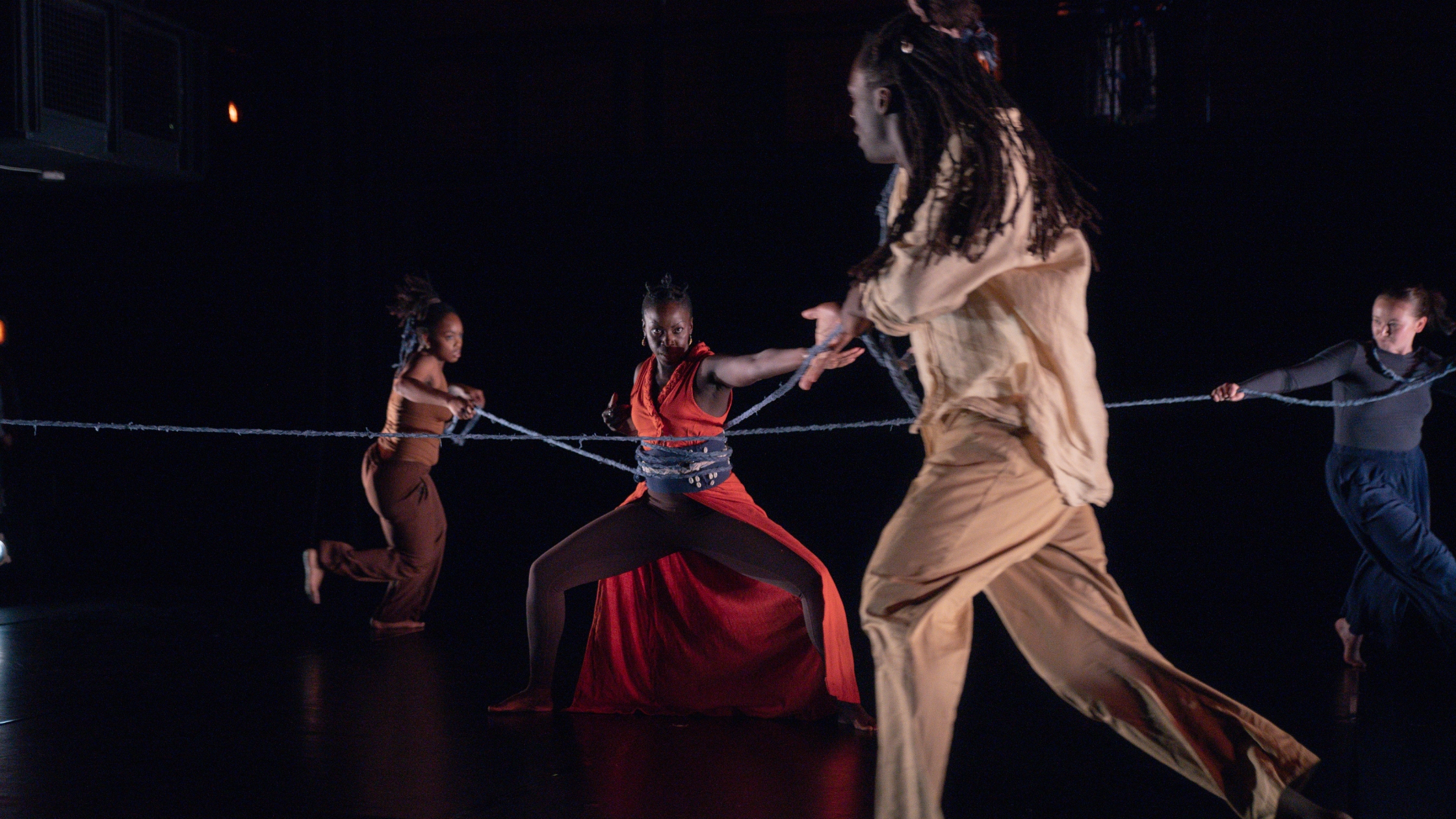
Art takes time, and in ZAYO’s case, the crafting stage took nearly a decade. Esie Mensah’s Afrofusion dance-theatre production will finally make its world premiere at the Meridian Arts Centre tonight. Presented by dance Immersion and TO Live, this ground-breaking piece follows a heroine on a journey out of her comfort zone, facing trials and tribulations before embracing her true destiny.
Rooted in ancestral memory, ZAYO is informed by both Mensah’s lived experience and her ancestral calling. It blends African storytelling with modern dance, making for a spectacle unlike any other. During her creative process, the award-winning choreographer got to combine all of her passions into one, and was propelled to take a risk.
Although dance and theatre side-by-side seems like a rather ambitious notion, Mensah wanted to show that it was possible to merge these artistic practices and get the backing she needed to bring her vision to life. Ahead of the production’s opening night, we spoke with her about ZAYO’s evolution over time, how her collaborations with Rihanna and Drake helped her define her own artistic identity, and in what ways this piece fulfilled her creative dream.
ZAYO has been in the making for several years. I wonder if the show changed in any way throughout this time, based on your own experiences.
The first time I debuted it was eight years ago. Every few years, it always seemed to have a comeback. There’s so much in the subject matter. I think I was really searching for something as I was moving through the show and really understanding what I could achieve and also what I was curious about. I felt like I found something really unique when I first created the show back in 2018 and it was just a matter of how to capitalize on this idea. A lot of it was listening to what the story itself was trying to tell me, and the story has remained the same as it was when it first debuted. What I’ve learned in the different spaces that I’ve been in and the different opportunities that I’ve been given, working in theatre and working in opera, kind of helped me to probably dream bigger than I would have if I didn’t have those experiences.
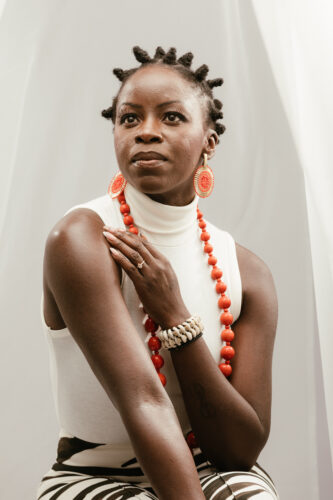
Photo by Kendra Epik Photography
You’ve collaborated with incredible artists like Rihanna and Drake. Did working with them inform your own artistry and your own choreography style?
I would say 100%. Working with these artists, you’re really in service to the vision of who they are, and their brand. What makes these artists so spectacular is the fact that there’s a whole team of people that help you create the look and the feeling. I think all of those pieces really funnel into this idea of what I’m trying to build now as a choreographer, in terms of what my brand is. What do I want people to be left with? What do I want to linger with people as they get to know and understand who I am as an artist at this stage in my career?
Dance is a very disenfranchised art form. The support is not inherently there. When I work in theatre, there’s money for set designers, there’s money for direct gear, there’s money for a lighting designer, because they believe that all of those people help to make the show happen. Those same things are not as evident in dance, and oftentimes, as a choreographer, you have to fill in many of those roles. You need to be the set designer, you have to be the costume designer, you might even need to be the lighting designer, and you probably are dancing in your piece. That disparity was something that helped me understand, why can’t we dream bigger? We’ve gotten used to dance being just bodies on stage, but why can’t we punch above our weight class and into a stratosphere that actually gives us a chance to see the power of what dance can be? That we don’t have to wait for a touring company to do that. We, as dancers, can envision that for ourselves.
You spoke about how a lot of the support is in theatre, and ZAYO is a little bit of both. It’s dance and theatre. Did it help you in any way to get the support you needed to make the show, because there was a bit of that theatre element to it?
Theatre folks might understand the show probably a lot more than they do most typical dance pieces. I also think that in many ways theatre embraces my level of storytelling, even sometimes more than dance does. Many dance presenters think that what I’m doing is a risk. You know, fusing actors and dancers. It’s probably been seen differently over the years, but I’m really intrigued by theatre. It’s taught me so much, and so much of what it has taught me, I funneled into my practices with the company. What my why is and what the audience receives can be two very different things, which could also be the case for theatre but for dance it feels like it’s even more so. I’m just kind of challenging some of those ideas and challenging some of the ways in which we’re used to ingesting and experiencing dance and giving the audience member a real way into the story that I’m building.
One of the things that I found really interesting about ZAYO is that it is a heroine’s journey tied with ancestral memory. Can you share more about how ancestral memory can play a key role in helping someone step into their power?
My journey with my ancestors has been such an integral part of who I am as an artist. For some reason, my spirit is asking me to unpack these stories and what they mean. Part of that eight-year journey was understanding the impact of the stories that I can make and how to hold myself a bit more holistically in order for me to be able to sustain what this journey is and what I wanted it to become. The ancestral memory kind of unlocked who I was as a choreographer, and the why of it all. I had to find myself back into why I love to dance, why I chose dance as a career, and how that informs who I am. This culmination of ZAYO, gave me a chance to funnel all of my practices into one flow with my ancestors.
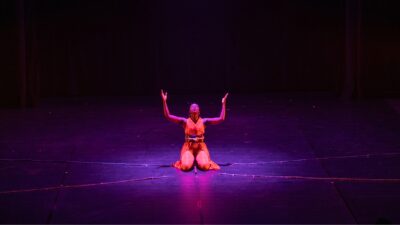
Photo by Dawit Tibebu
You’ve toured in different countries and I know that a lot of your work mixes contemporary dance with African narratives. Were there different responses to the piece depending on where you were at? What were some of the themes that resonated with people the most?
It’s been an interesting journey to receive a mixed review over the years. When I first debuted it, a presenter from Ottawa was the first person to pick it up. He was basically like, “yeah, I want to program the show next year. Would you be willing to come to Ottawa?” I was like, “1,000% yes”. So I’ve either gotten enthusiasm or gotten hesitation. When you’re trying to uncover a story about spirituality it will resonate with people differently.
Where the story has grown to now is that there’s a universality in the message. We all know what life is like, where one day you could feel like you’re on top of the world, and the next day you can feel like you’re being dragged underneath the train. We all share those experiences. What it means to hear yourself and listen to yourself battling with your inner demons. Often presenters will say, “I don’t know if my audience will receive it,” whereas I challenge it. As long as the audience has experienced life, then they will understand the experience.
Now that you are having this support to put the show on, and people are giving you the platform and even like the financial backing that you needed, what does that feel like? Knowing that you have the space to showcase your best work?
Honestly, it feels like the world. Every single life event was so necessary in order for me to be exactly where I am, and I’m really grateful for this opportunity. I’m trying very much to appreciate and enjoy the challenges that have come up. It has been such a transformative experience for all of us, and a real way to send a message to the industry that this is the level of work that we as artists can create, and we can create such profound work if we give ourselves the chance to do so. I hope that this show inspires people to continue to make amazing work and to believe in themselves and to follow things that are hard, because as an artist of the times, we should be reflecting what’s happening in the world. We should be reflecting to people what it means to have hope and what’s on the other side of hardship. That’s what we need right now, as a society, as a community.
 Follow Us On Instagram